

Auto repair shop SEO helps American repair businesses connect with drivers searching for brake repair, oil changes, diagnostics, and other services. The goal is qualified calls and appointment requests from your actual customer area.
Whether your shop operates in Houston, Phoenix, or another US city, customers need clear answers: what you repair, where you are, and how to book. This checklist combines local visibility, useful content, and practical measurement. Sparknetics' SEO and search visibility services support businesses working on these foundations.
1. Choose services and locations
Prioritize services your technicians actually provide and jobs your business wants more often. Match each important service with its genuine customer area. For example, a Phoenix brake repair page should explain that service locally. Use customer records and search data rather than targeting every nearby city indiscriminately.
2. Complete your Google Business Profile
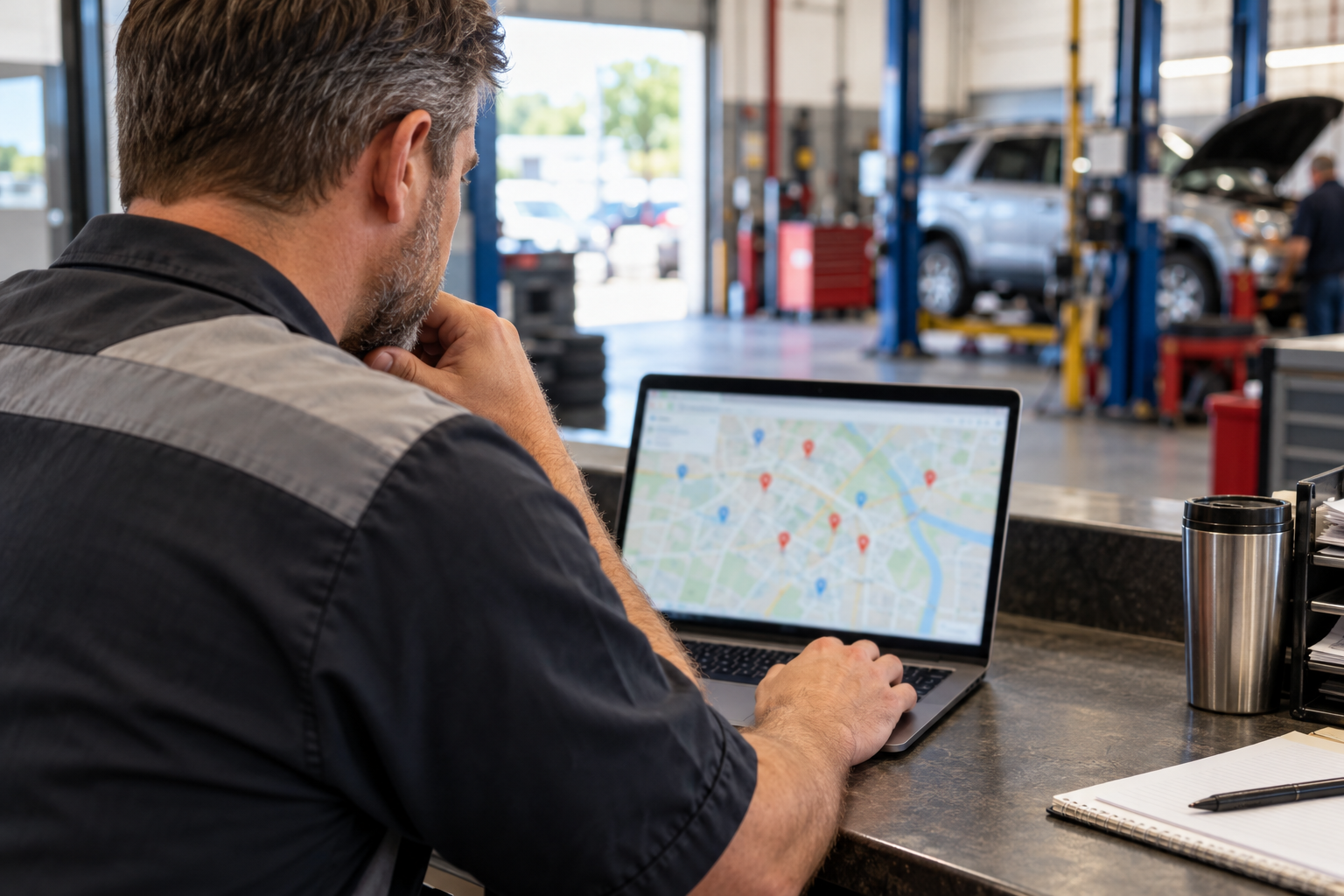
Check your name, address, phone number, website, hours, and categories. Use your real business name without added keywords. Upload genuine workshop photographs and maintain holiday hours. Google's local ranking guidance explains relevance, distance, and prominence. Website improvements cannot change your physical distance from a searcher.
3. Create dedicated service pages
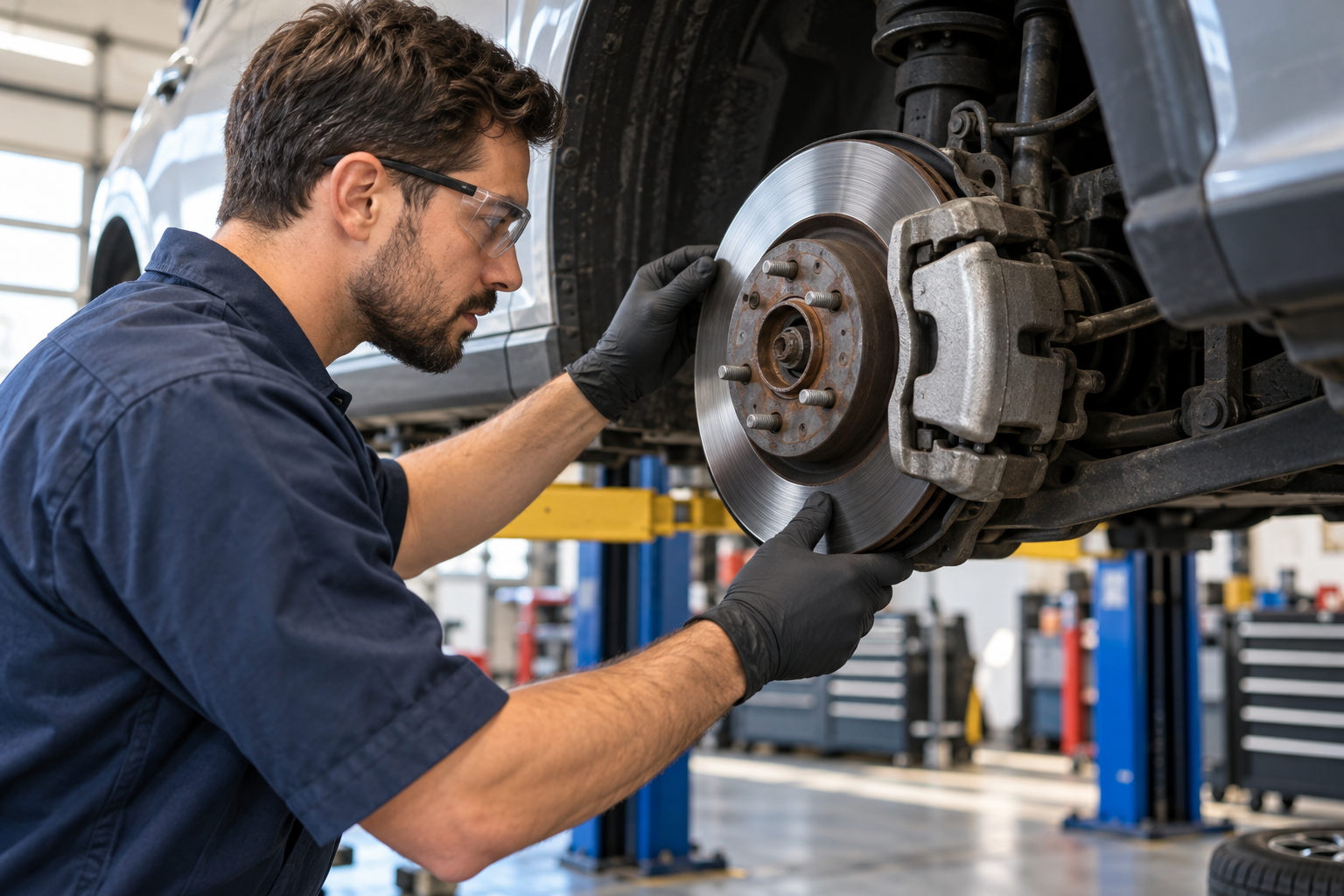
Explain major services on individual pages. A brake repair page can cover warning signs, inspections, pad and rotor replacement, supported vehicles, and booking. Describe your actual process. Avoid universal price or turnaround promises. Help visitors understand what happens next and when an inspection is needed.
4. Make local information useful
Include directions, parking details, opening hours, and accurate contact information. Create separate branch pages for genuine locations, each with its own services and photographs. Avoid copying the same page across dozens of city names. Mentioning a city does not establish a workshop there or guarantee Maps visibility.
5. Remove technical barriers
Check broken links, HTTPS, redirects, canonical URLs, accidental noindex settings, and important pages' indexing status. Submit a sitemap, but remember that submission does not guarantee indexing. Google's SEO Starter Guide explains these foundations. Test your enquiry form and confirm submissions reach the right team.
6. Simplify mobile booking
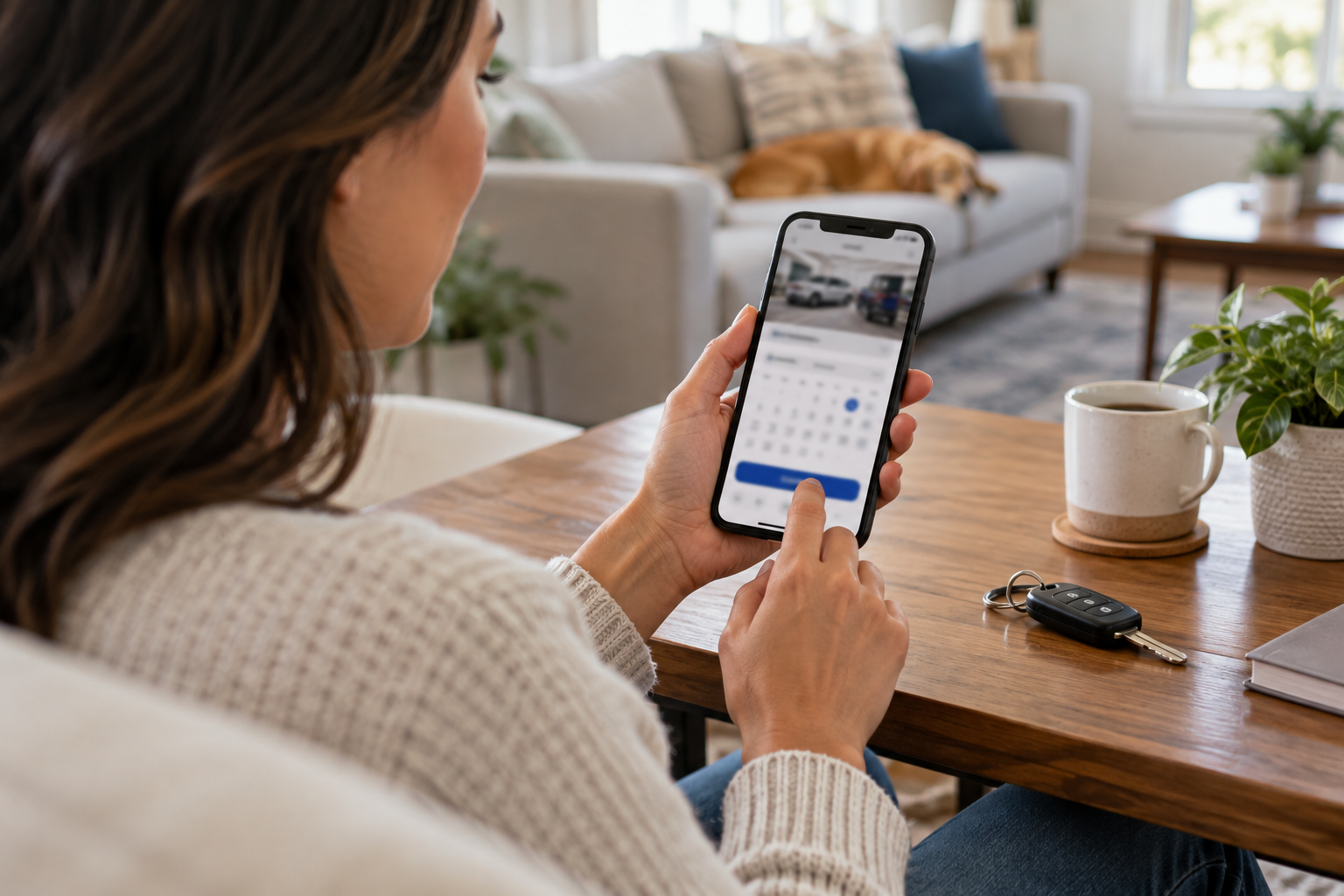
Make the phone number tappable, show your address clearly, and keep appointment forms short. Compress large photographs and remove unnecessary scripts. Test the experience on a real phone. Sparknetics' website and conversion services address journeys where visitors struggle to contact a business or complete an enquiry.
7. Request honest reviews
Ask customers for genuine feedback after completed work. Do not reward reviews or selectively approach only happy customers. Google's review policies prohibit incentivized reviews and selective positive solicitation. Respond professionally, protect private customer information, and use recurring concerns to improve service and communication.
8. Answer real customer questions
Publish useful explanations of warning lights, unusual noises, maintenance intervals, and booking expectations. Have a qualified technician review technical advice. Explain possible causes without diagnosing vehicles remotely. Connect each article to its relevant service page. Original workshop photographs and accurate process details add value beyond generic automotive writing.
9. Clarify titles and internal links
Use descriptive titles, one main heading, and organized subheadings. A service title might combine brake repair, your actual city, and your shop name. Link related articles and services naturally. Write image descriptions that reflect visible content. Repeating “auto repair shop SEO” everywhere does not make your pages more helpful.
10. Build relevant local connections
Correct outdated details on reputable business directories. Seek genuine relationships with local organizations, automotive associations, and community projects. Prioritize relevant references over arbitrary backlink totals. Avoid buying links to manipulate rankings. Consistent information helps customers identify the right business and reduces confusion caused by old addresses or phone numbers.
11. Add accurate structured data
An actual repair business can use appropriate LocalBusiness markup, including the AutoRepair subtype. This Sparknetics article should use Article or BlogPosting markup instead. Google's LocalBusiness documentation explains supported information. Markup must reflect visible, truthful details; valid schema does not guarantee rankings or enhanced search appearances.
12. Measure enquiries and appointments

Monitor Search Console queries and landing pages alongside calls, submitted forms, and confirmed bookings. A phone-button click is not necessarily a completed call. Separate those measurements. Review pages attracting traffic without enquiries, and improve their clarity or booking experience. Evaluate qualified customer actions rather than treating every visitor as a lead.
Can AI search recognize your content?
Clear headings, direct answers, accurate business details, and accessible text help communicate your topic. Google's AI search guidance says foundational SEO remains relevant; no special AI schema is required. Understanding your content does not guarantee an AI citation, recommendation, or ranking. Different platforms also have different retrieval behavior.
Frequently asked questions
What is auto repair shop SEO?
It improves a repair business's visibility through website optimization, local information, helpful service content, and reputation management.
How long do results take?
Timelines depend on competition, your starting position, and implementation. Track progress against a baseline rather than accepting guaranteed deadlines.
What does SEO cost in the USA?
Costs vary by location count, website condition, content needs, and ongoing scope. Compare deliverables and measurement, not price alone.
Can one shop target nearby cities?
Yes, where genuinely relevant. Useful service-area content can help, but city mentions do not create physical branches or remove distance constraints.
Will SEO guarantee AI recommendations?
No. Useful, accessible information supports discovery, but no provider can guarantee that an AI system will recommend your shop.
Begin with a monthly review of your most important service pages. Ask whether each page answers customer questions, explains the actual repair process, and offers a clear next step. Record changes so you can compare performance over time. If enquiries increase, check whether they match the services and locations you want. This keeps your strategy connected to workshop capacity, customer needs, and business priorities throughout the year.
Get a practical action plan
Sparknetics supports US businesses with search visibility and wider digital marketing. Start with accurate profiles, accessible pages, and easier booking. Then strengthen content and measure qualified enquiries. Request a complimentary digital presence audit to identify your shop's priorities.